
Celebrex (Celecoxib) Heart Attack & Stroke Lawsuits in Syracuse, New York
Celebrex (celecoxib) is a nonsteroidal anti-inflammatory drug (NSAID) commonly prescribed for arthritis pain and inflammation. While Celebrex provides pain relief, scientific research has revealed that it significantly increases the risk of heart attacks, strokes, and other serious cardiovascular events, particularly with long-term use. If you suffered a heart attack or stroke while taking Celebrex, the experienced Celebrex lawsuit attorneys at Gillette & Izzo in Syracuse can help you recover compensation.
Call 315-421-1000 today for a free consultation with a dangerous drug lawyer who will fight for your rights.
What Is Celebrex and How Does It Work?
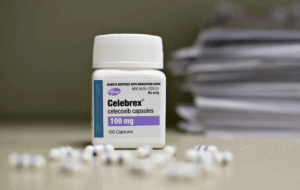 Celebrex (celecoxib) is a COX-2 selective NSAID approved by the FDA in 1998 for treating:
-
Osteoarthritis
-
Rheumatoid arthritis
-
Ankylosing spondylitis
-
Acute pain
-
Primary dysmenorrhea (menstrual pain)
According to the American College of Rheumatology, COX-2 inhibitors like Celebrex were developed to provide pain relief with supposedly fewer gastrointestinal side effects than traditional NSAIDs. However, what manufacturers downplayed were the serious cardiovascular risks.
Celebrex Cardiovascular Risks
Multiple clinical trials and real-world studies have demonstrated that Celebrex increases cardiovascular risk:
Heart Attack (Myocardial Infarction)
The most serious Celebrex side effect is increased heart attack risk. Research has shown:
-
Celebrex users have a significantly higher risk of heart attack compared to non-users
-
Risk increases with higher doses (200mg daily vs. 400mg+ daily)
-
Risk increases with longer duration of use
-
Patients with pre-existing cardiovascular disease face even higher risk
-
Heart attacks can occur within weeks of starting Celebrex
According to the American Heart Association, NSAIDs like Celebrex can increase heart attack risk by interfering with blood vessel function and promoting blood clot formation.
Stroke
Celebrex has been linked to increased stroke risk:
-
Ischemic stroke (blood clot blocks artery to brain)
-
Hemorrhagic stroke (bleeding in the brain)
-
Transient ischemic attack (TIA) or “mini-stroke”
Stroke risk is particularly elevated in:
-
Elderly patients
-
Patients with high blood pressure
-
Those with prior cardiovascular disease
-
Long-term Celebrex users
Heart Failure
Prolonged Celebrex use can cause or worsen heart failure:
-
Fluid retention and edema (swelling in legs, ankles, feet)
-
Congestive heart failure (heart can’t pump effectively)
-
Pulmonary edema (fluid in lungs)
-
Worsening of pre-existing heart failure
Atrial Fibrillation
Research suggests Celebrex may increase risk of:
-
Atrial fibrillation (irregular, rapid heartbeat)
-
Increased stroke risk from AFib-related blood clots
-
Need for blood thinners and cardiac medications
Blood Clots
Celebrex promotes blood clot formation, increasing risk of:
-
Deep vein thrombosis (DVT) in legs
-
Pulmonary embolism (clots traveling to lungs)—potentially fatal
-
Cardiac thrombosis (clots in heart arteries)
Sudden Cardiac Death
In severe cases, Celebrex-induced cardiovascular events have resulted in sudden cardiac death, particularly in patients with underlying heart disease who were never adequately warned about the risks.
FDA Warnings and Black Box Label
Due to mounting evidence of cardiovascular risks, the FDA took action:
2004 FDA Advisory
Following the withdrawal of similar COX-2 inhibitors Vioxx and Bextra from the market due to cardiovascular risks, the FDA scrutinized Celebrex more closely.
Black Box Warning Required
The FDA required Celebrex to carry a “black box” warning—the most serious type of warning—about:
-
Increased risk of serious cardiovascular thrombotic events, including heart attack and stroke
-
Risk can occur early in treatment and may increase with duration of use
-
Patients with cardiovascular disease or risk factors may be at greater risk
Restrictions on Use
The FDA strengthened warnings and restricted Celebrex use, advising:
-
Use the lowest effective dose for the shortest duration
-
Avoid use in patients with recent heart attack (unless benefits outweigh risks)
-
Use caution in patients with cardiovascular risk factors
Manufacturer Negligence and Concealment
Celebrex lawsuits allege that Pfizer (which acquired Celebrex manufacturer Pharmacia):
-
Knew about cardiovascular risks from early clinical trials
-
Downplayed serious risks in marketing materials
-
Aggressively promoted Celebrex as safer than traditional NSAIDs
-
Failed to adequately warn doctors and patients about heart attack and stroke risk
-
Delayed updating labels even as evidence mounted
-
Prioritized profits over patient safety
Clinical trial data showed increased cardiovascular events, but these findings were not prominently disclosed to the medical community or patients.
Who Can File a Celebrex Lawsuit?
You may have a Celebrex injury claim if you:
-
Took Celebrex (celecoxib) for arthritis or chronic pain
-
Suffered a heart attack, stroke, or other serious cardiovascular event while taking or shortly after stopping Celebrex
-
Required emergency cardiac treatment, hospitalization, or cardiac procedures
-
Were not adequately warned about cardiovascular risks
-
Have medical records documenting your Celebrex use and cardiac event
Even if you had some cardiovascular risk factors, you may still have a claim if Celebrex significantly contributed to your heart attack or stroke.
What Compensation Can a Celebrex Lawsuit Recover?
Heart attacks and strokes cause devastating, life-altering injuries. Our Syracuse Celebrex lawsuit attorneys pursue maximum compensation:
Medical Expenses
-
Emergency cardiac treatment: Ambulance, emergency room, ICU
-
Cardiac procedures: Angioplasty, stent placement, bypass surgery
-
Stroke treatment: Thrombolysis (clot-busting drugs), thrombectomy, rehabilitation
-
Hospitalization: Coronary care unit, stroke unit, recovery
-
Cardiac rehabilitation: Exercise therapy, counseling, education
-
Stroke rehabilitation: Physical therapy, occupational therapy, speech therapy
-
Medications: Blood thinners, beta-blockers, statins, antiplatelet drugs
-
Long-term cardiac care: Cardiologist visits, testing, monitoring
-
Future medical costs: Lifetime cardiac management, increased health risks
Lost Wages and Income
-
Time off work during acute illness and recovery
-
Lost income during cardiac/stroke rehabilitation (often 3-6 months)
-
Reduced earning capacity if heart attack/stroke caused permanent impairment
-
Permanent disability if unable to return to work
-
Loss of business opportunities and career advancement
Pain and Suffering
-
Physical pain from heart attack or stroke
-
Chest pain (angina) from damaged heart
-
Neurological deficits from stroke (weakness, paralysis, speech problems, cognitive impairment)
-
Emotional distress from life-threatening cardiac event
-
Fear and anxiety about future cardiac events
-
Depression from permanent disability
-
Loss of enjoyment of life due to activity restrictions
-
Loss of independence if stroke caused severe disability
-
Loss of consortium (impact on marriage and family)
Wrongful Death Damages
If Celebrex caused your loved one’s death from heart attack or stroke:
-
Funeral and burial expenses
-
Loss of financial support for surviving family
-
Loss of companionship, guidance, and consortium
-
Estate claims for the deceased’s pain and suffering before death
Punitive Damages
Given allegations that Pfizer knew about cardiovascular risks but inadequately warned patients and doctors, courts may award punitive damages to punish this reckless conduct.
Cardiovascular Risk Factors and Your Claim
Some patients worry they can’t file a Celebrex lawsuit because they had cardiovascular risk factors (high blood pressure, high cholesterol, diabetes, smoking). However:
-
Having risk factors doesn’t eliminate your claim
-
The question is whether Celebrex significantly contributed to your heart attack or stroke
-
Medical experts can determine if your cardiac event would have occurred without Celebrex exposure
-
Many patients with controlled risk factors wouldn’t have had cardiac events if not for Celebrex
Our medical experts can evaluate your specific situation.
Contact Us About How A Dangerous Or Defective Medical Product Harmed You
We provide a free consultation with an experienced defective medical products attorney in Syracuse, New York. To schedule an appointment with Gillette & Izzo Law Office, complete our intake form or call 315-421-1000.
We represent all clients injured by a dangerous or defective medical product on a contingency basis. You do not owe any legal fees unless we recover compensation for you.