
Were you injured during laparoscopic surgery? Being your advocate should start long before ever contacting a Syracuse laparoscopic surgery malpractice lawyer regarding a medical malpractice claim. When it comes to your health, you must be proactive, especially when surgical complications go unrecognized or untreated.
Even if your surgeon does not immediately identify complications during the procedure, persistent symptoms or worsening condition should never be dismissed. Let’s dive more into why you might want to talk to a laparoscopic surgery malpractice lawyer and a team about your options.
Laparoscopic Surgery Complications Statistics
According to medical literature and surgical safety research, the statistics surrounding laparoscopic surgery malpractice reveal concerning patterns:
-
91.7% of laparoscopic surgery malpractice claims have been filed within the last 10 years as the technique has become more widespread
-
81.9% of malpractice claims relate to visceral and/or vascular injuries during the procedure
-
39.8% of claims involve bowel injuries, while 19.5% involve ureter injuries, particularly during gynecologic procedures
-
38.3% of injuries are entry-related, occurring during the initial needle or trocar insertion phase
Studies show that injuries are more common when surgeons are learning laparoscopic techniques, with many older surgeons having learned these skills “on the job” rather than during formal training. The surgeon’s volume of cases and complication rate are important factors in determining the standard of care.
Common Laparoscopic Procedures
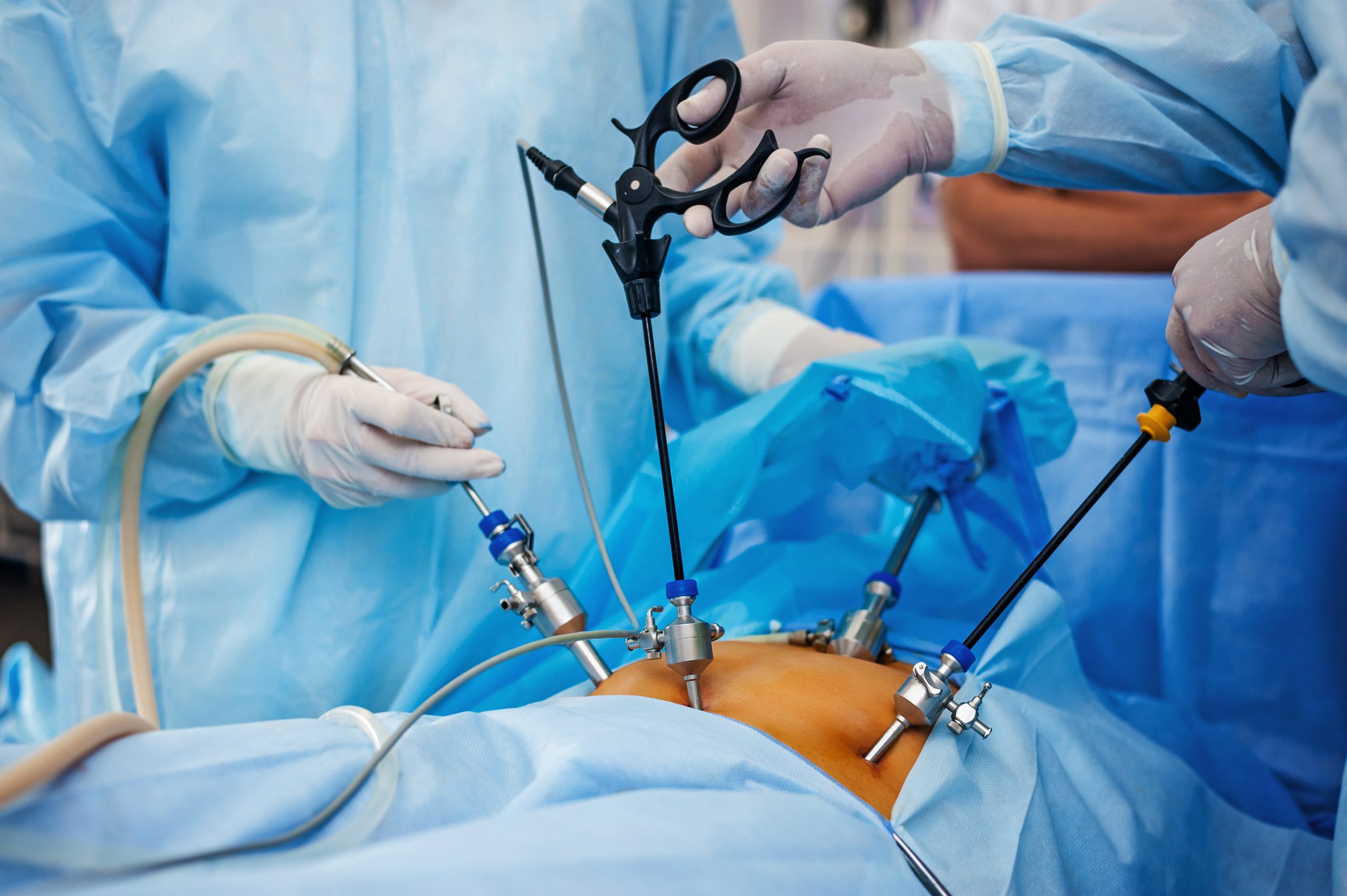
There are several main types of laparoscopic procedures, each with specific risks and potential complications:
Laparoscopic Cholecystectomy (Gallbladder Removal): The most common laparoscopic procedure, but also associated with the most serious potential complication – bile duct injury. This procedure involves navigating complex anatomy around the bile ducts and major blood vessels.
Laparoscopic Gynecologic Procedures: These surgeries have higher rates of ureter and bowel injuries, with 92% of ureter injuries occurring during laparoscopic hysterectomy or adnexal surgery.
Laparoscopic Hernia Repair: Minimally invasive approach to hernia repair, but with risks of vascular and nerve injuries, particularly during mesh placement.
General Laparoscopic Procedures: Various minimally invasive surgeries, including appendectomy, colon surgery, and other abdominal procedures, each with procedure-specific risks.
These procedures require specialized training and experience to safely navigate the limited visual field and manipulate instruments through small incisions.
Delayed Recognition of Laparoscopic Surgery Injuries Can Have Serious Consequences
Unfortunately, laparoscopic surgery injuries can be missed during the procedure if surgeons fail to recognize damage to vital structures. This is why it is important to stress that patients who have suffered unrecognized surgical injuries should consult a laparoscopic surgery malpractice lawyer immediately.
Delays in recognizing laparoscopic injuries can have devastating results. Undiagnosed injuries can lead to sepsis, organ failure, or death. The most common injuries include:
-
Bile duct injuries during cholecystectomy – the most serious complication that can be life-threatening
-
Bowel perforations from thermal injuries or trocar insertion, leading to peritonitis
-
Major vascular injuries from trocar placement, causing severe bleeding
-
Ureter injuries during gynecologic procedures, potentially resulting in kidney loss
-
Delayed recognition of any injury is the most common reason for successful malpractice claims
-
Technical failures with surgical instruments or equipment
The laparoscopic surgeon has a duty to recognize injuries during the operation. When damage occurs, specialists should be called into the operating room to repair it immediately. Malpractice can occur when surgeons:
-
Fail to notice and correct an injury, especially common ones like bowel nicks
-
Fail to call in a specialist when lacking experience in repairing the specific injury
-
Fail to monitor the patient closely after surgery for signs of unrecognized injury
-
Fail to use proper techniques to achieve the “critical view of safety”
Janet Izzo and Josh Gillette of Gillette & Izzo Law Office understand that laparoscopic surgery malpractice cases require a detailed analysis of surgical techniques and standards. They will work with qualified medical experts to evaluate your case. Documenting your symptoms, additional procedures, and medical treatments provides crucial evidence for a surgical malpractice claim.
Knowledge about surgical standards is powerful when dealing with medical complications.
New York state medical malpractice statutes under New York Civil Practice Law & Rules § 214-A require that actions be commenced within two years and six months of the surgical procedure, with some exceptions for continuous treatment. Additionally, New York requires a Certificate of Merit under CPLR § 3012-A for medical malpractice cases. Janet Izzo and Josh Gillette have the experience and medical expert network necessary to properly evaluate and pursue laparoscopic surgery malpractice claims.
Discuss Your Legal Options With A Laparoscopic Surgery Malpractice Lawyer
Following laparoscopic surgery complications or suspected surgical negligence, you have important legal rights under New York law. The New York State Department of Health requires hospitals to maintain specific standards for surgical care and complication monitoring.
Janet Izzo and Josh Gillette combine their knowledge of statutes and laws with extensive experience in medical malpractice claims. Time is of the essence. Take action by making one phone call to our firm.
Discuss your situation with a lawyer at Gillette and Izzo Law Office in Syracuse by calling 315-421-1000 or you can contact us through our online form.
We represent our clients with laparoscopic surgery malpractice claims on a contingency fee basis. You only pay legal fees if we recover compensation in your case. Our experience includes cases involving:
-
Bile duct injuries during laparoscopic cholecystectomy
-
Bowel and vascular injuries from improper trocar placement
-
Failure to convert to open surgery when complications arise
-
Inadequate post-operative monitoring and delayed diagnosis
-
Thermal injuries from electrocautery devices
-
Hospital negligence in surgical technique and equipment maintenance