Surgical Errors and Medical Malpractice in New York: What Patients Should Know
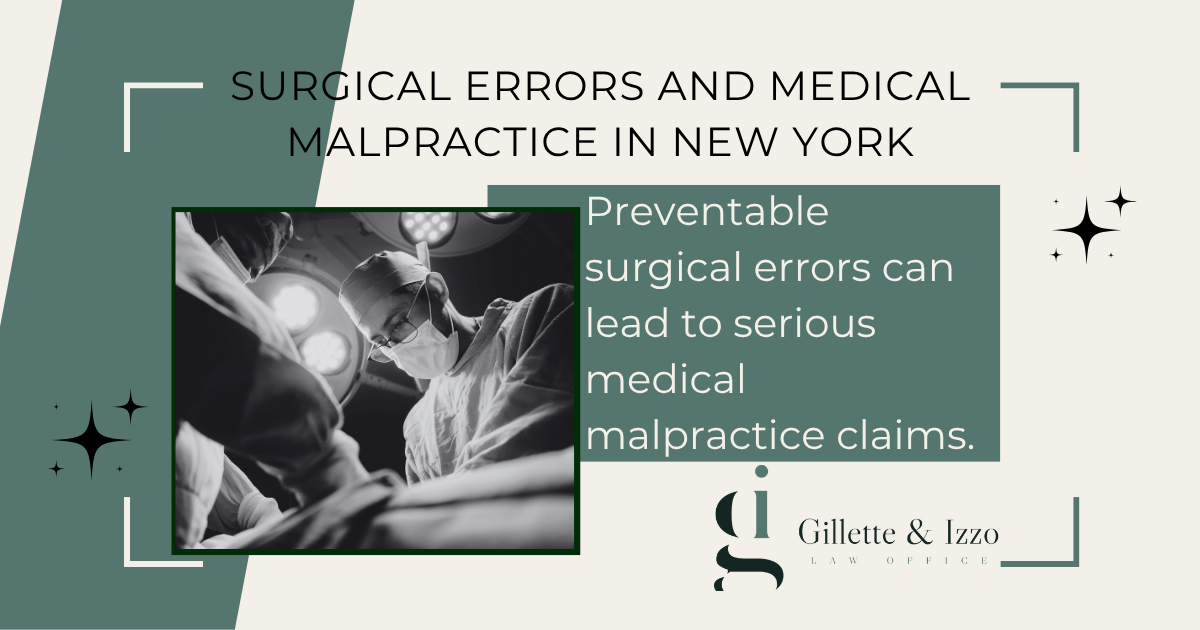
Patients trust surgeons and medical professionals to perform procedures with skill, care, and precision. In most cases, surgeries are completed successfully and patients recover as expected. However, when preventable mistakes occur during a procedure, the results can be devastating.
Surgical errors are a significant source of medical malpractice in New York. When surgical teams fail to follow accepted standards of care, patients may suffer serious harm. This can include permanent injuries, complications requiring additional treatment, or even life-threatening conditions. Understanding how surgical errors lead to medical malpractice in New York can help patients recognize negligence. It may also help them determine if it contributed to their injuries.
What Are Surgical Errors in Medical Malpractice?
Surgical errors occur when a healthcare professional makes a preventable mistake during a procedure. This may also occur when a provider fails to recognize, diagnose, or correct a surgical injury. Errors can also happen when a patient is not properly managed before or after surgery.
Not every complication that occurs during surgery is the result of malpractice. Many procedures carry inherent risks. However, medical malpractice may occur when a surgical team fails to follow accepted medical standards. It can also occur when a preventable mistake directly causes harm.
Examples of surgical negligence may include performing the wrong procedure; damaging nearby organs, vessels, or nerves; failing to diagnose a surgically caused injury and timely correcting it; or failing to properly monitor the patient during and after the surgery.
Common Types of Surgical Errors
Surgical mistakes can happen at different stages of medical care, including before, during, or after the operation. When proper procedures are not followed, patients may experience serious and sometimes permanent harm.
Some common examples of surgical errors include:
Operating on the wrong body part or performing the wrong procedure.
Leaving surgical instruments or medical materials inside the patient.
Improper placement of surgical hardware such as screws or rods.
Damage to surrounding organs, nerves, or blood vessels.
Failure to properly control bleeding during surgery.
Experiencing a surgical complication or injury and not timely diagnosing and treating it.
These types of errors can result in severe complications and often require additional and timely medical treatment.
For example, surgical hardware placed incorrectly during spine surgery may lead to nerve damage or permanent paralysis. You can learn more in our article on spinal surgery errors and medical malpractice.
Why Surgical Errors Occur
Surgical procedures often involve complex coordination between surgeons, anesthesiologists, nurses, and other healthcare professionals. When communication breaks down or safety protocols are ignored, the risk of surgical error increases.
Several factors can contribute to surgical mistakes, including inadequate pre-operative planning, miscommunication among surgical team members, the use of copy and paste operative reports and lack of understanding or concern for surgical injury, and failure to verify patient information before beginning the procedure.
Patient safety experts emphasize the importance of surgical checklists and standardized safety protocols designed to prevent avoidable errors in operating rooms.
More information about patient safety practices can be found through the Agency for Healthcare Research and Quality.
Surgical Complications vs. Surgical Negligence
Not every complication following surgery is caused by malpractice. Some complications may occur even when a surgeon performs the procedure correctly.
However, surgical negligence occurs when a preventable mistake causes a patient’s condition to worsen. For example, a surgeon may fail to recognize internal bleeding or bowel injury after a procedure or ignore warning signs that a patient is developing an infection.
In these situations, the injury may result from negligence rather than an unavoidable complication.
Research from patient safety organizations highlights how communication failures and system breakdowns can contribute to surgical complications.
Examples of Surgical Malpractice Cases
Surgical malpractice can occur in many different types of procedures. Some of the cases discussed on our blog involve errors during weight-loss surgery or complications that occur during reproductive health procedures.
For example, serious complications may arise during bariatric surgery when surgical mistakes disrupt blood flow. Our article on surgical errors during gastric bypass procedures explains how catastrophic injuries can occur when major arteries are damaged during surgery.
Even procedures that are typically considered routine can lead to severe complications if appropriate precautions are not taken. Our article on surgical errors during IUD placement discusses how failures in patient evaluation or procedure technique can result in serious injury.
Injuries Caused by Surgical Errors
The consequences of surgical malpractice can be severe. Some patients experience long-term disability or require ongoing medical care following a preventable surgical mistake.
Injuries resulting from surgical errors may include nerve damage, organ injury, severe infection, internal bleeding, or permanent disability. In the most serious situations, surgical negligence may lead to death.
Families may have legal options in cases where malpractice contributes to a fatal outcome. Our article on medical malpractice wrongful death claims explains how these cases may arise.
How Surgical Malpractice Cases Are Proven
To succeed in a medical malpractice case in New York, patients generally must prove several elements. A patient must demonstrate that a doctor-patient relationship existed and that the healthcare provider owed a duty of care.
Next, the patient must show that the provider failed to meet the accepted standard of care. Finally, the patient must prove that the negligence directly caused injury and resulted in measurable damages.
Because surgical malpractice cases often involve complex medical issues, courts require expert testimony from qualified medical professionals to explain how the surgical error occurred.
Legal Options for Patients Harmed by Surgical Errors
Patients who suffer injuries due to surgical negligence may be entitled to compensation for medical expenses, lost wages, reduced earning capacity, pain and suffering, and future medical care.
Each medical malpractice case is unique, and determining whether negligence occurred requires careful review of medical records and expert medical analysis.
There are also important deadlines associated with being able to bring a malpractice case in New York. Typically, the Statute of Limitations for a medical malpractice case in New York is 2 ½ years from the date of the alleged malpractice. There are very limited ways that might be able to extend that deadline, but they are case specific and require an attorney to review the relevant medical records. After the Statute of Limitations passes you will be forever barred from brining a lawsuit, so if you have questions or concerns that you or a loved one has suffered an injury caused by malpractice do not wait to have an attorney review the medical records and offer their opinion.
Speak With a New York Medical Malpractice Attorney
If you or a loved one experienced serious complications after surgery, you may have legal options.
The attorneys at Gillette & Izzo Law Office represent individuals and families harmed by medical negligence throughout New York.
Contact our office today to schedule a free consultation and learn more about your rights.