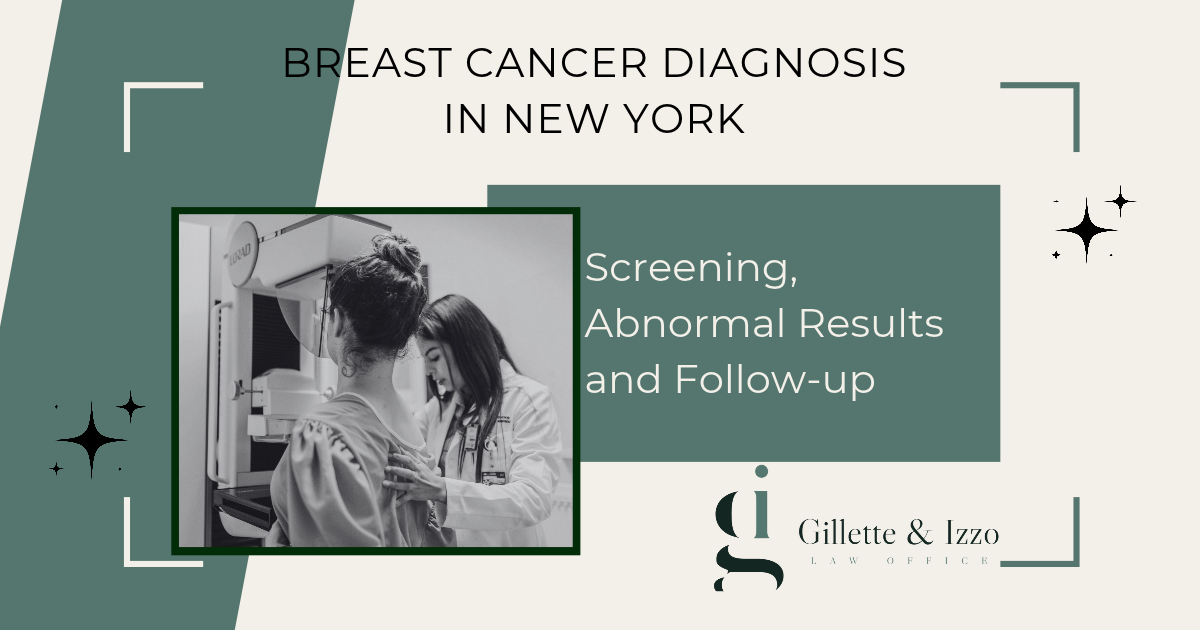
Breast cancer diagnosis often begins with a screening mammogram or a change a person notices in their breast. In either situation, understanding the result and the recommended next step matters. An abnormal finding does not necessarily mean cancer, but it may call for additional imaging, a biopsy or another follow-up plan. During Breast Cancer Awareness Month, it is worth looking beyond the screening appointment to what happens afterward.
When should breast cancer screening begin?
Screening looks for cancer before symptoms develop. The U.S. Preventive Services Task Force recommends a mammogram every two years from ages 40 through 74 for women at average risk. Other organizations recommend different schedules. For example, the American Cancer Society gives women ages 40 to 44 the option to begin annual mammograms and recommends annual screening at ages 45 to 54.
An individual’s screening plan may differ based on personal history, certain genetic risks, prior chest radiation or other factors. Ask your healthcare provider when to begin, how often to screen and whether you need a plan beyond routine mammograms. Screening recommendations for people without symptoms do not replace an evaluation of a new breast concern.
A lump is not the only possible warning sign
Some people with breast cancer have no symptoms. Others notice a new lump in the breast or underarm, swelling, skin dimpling or irritation, a change in breast shape, a nipple that pulls inward, or nipple discharge other than breast milk. These changes can have causes other than cancer, but they deserve a conversation with a healthcare provider. The CDC lists additional signs and symptoms.
Tell your provider about a new or persistent change even if a recent screening mammogram was described as normal. A symptom may require a diagnostic evaluation tailored to the concern.
What happens after an abnormal mammogram?
An abnormal screening mammogram is a finding that needs clarification, not a breast cancer diagnosis. Depending on the finding, a clinician may recommend additional mammogram views, a breast ultrasound, an MRI in selected circumstances, a biopsy or a specialist referral. A diagnostic mammogram takes a closer look at an area of concern. A biopsy examines a sample of breast tissue or fluid. The appropriate next step depends on the imaging findings, symptoms and individual risk. The CDC explains these diagnostic tests.
Breast imaging reports commonly use a BI-RADS assessment to describe a finding and communicate a recommendation. If you receive a report, ask what its assessment and recommended follow-up mean for you. In particular, find out whether you need more images, another test, a short-interval check or a referral. Do not assume that a request for additional testing means cancer, or that a result requiring follow-up can be set aside. The American College of Radiology describes the purpose of BI-RADS.
Why follow-up matters
Screening can identify a concern. Follow-up determines what happens next. A result must reach the right people, be explained to the patient and lead to an appropriate plan. Depending on the circumstances, missed communication, an uncompleted referral or a recommended test that never occurs can leave an important finding unresolved.
Ask your healthcare team what the report says and which follow-up they recommend. Find out who will contact you about the result, when the next test or visit should take place, and what to do if a breast change continues despite a reassuring result.
Keep copies of your reports and note the dates of tests, calls and appointments. If you expected results or a call to schedule follow-up and have not received one, contact the ordering provider or imaging facility. If you have a new or persistent symptom, tell your healthcare provider even if an earlier test was reassuring.
When might a delayed breast cancer diagnosis raise legal questions?
A delay in diagnosis does not automatically mean medical malpractice. Breast findings can be difficult to interpret, and an abnormal mammogram often turns out not to be cancer. A legal review asks more specific questions: What information was available at the time? What care was reasonably expected under the circumstances? Did a departure from that standard cause a meaningful injury?
Examples that may warrant a closer look include a reported breast change that was not appropriately evaluated, a suspicious imaging or pathology finding that was not acted on, a new diagnosis or suspicion of cancer after regular mammograms, especially if the tumor is large or advanced could indicate a delay in diagnosis/failure of prior radiologist to see the cancer, or recommended diagnostic testing that was not communicated or arranged. Whether any of these circumstances supports a claim depends on the complete medical record and expert review.
New York has filing deadlines for medical malpractice claims that include special rules that may apply to failures to diagnose cancer. The standard statute of limitations for medical malpractice in New York is 2 ½ years from the date of the alleged malpractice. However, it is possible in certain medical malpractice cases concerning cancer that the 2 ½ year statute of limitations date is measured from when the patient knew or should have known they had cancer. Those rules depend on the facts of the case, and if the statute of limitations is missed you can be barred forever from bringing a suit. So, anyone concerned about a possible delay should speak with an attorney promptly rather than assume a particular deadline applies.
If you have questions about a possible delayed breast cancer diagnosis, Gillette & Izzo Law Office can review the circumstances. Our Syracuse attorneys handle medical malpractice cases throughout New York. Learn more about misdiagnosis and delayed diagnosis in New York and our breast cancer misdiagnosis practice. For broader information, see our New York medical malpractice guide and health and wellness guide.